
Within the framework of the innovative urban mobility challenges program
Barcelona to implement two AI pilots aimed at reducing noise pollution
A camera system that detects noisy vehicles and a platform equipped with acoustic sensors and predictive capabilities have been selected as the winning projects in Barcelona’s challenge to reduce noise pollution. These systems will be tested as pilot projects over the coming months as part of an initiative launched by the Barcelona City Council, the BIT Habitat Foundation, and Fira de Barcelona, which trials innovations in real-world settings to improve sustainable mobility in the city.
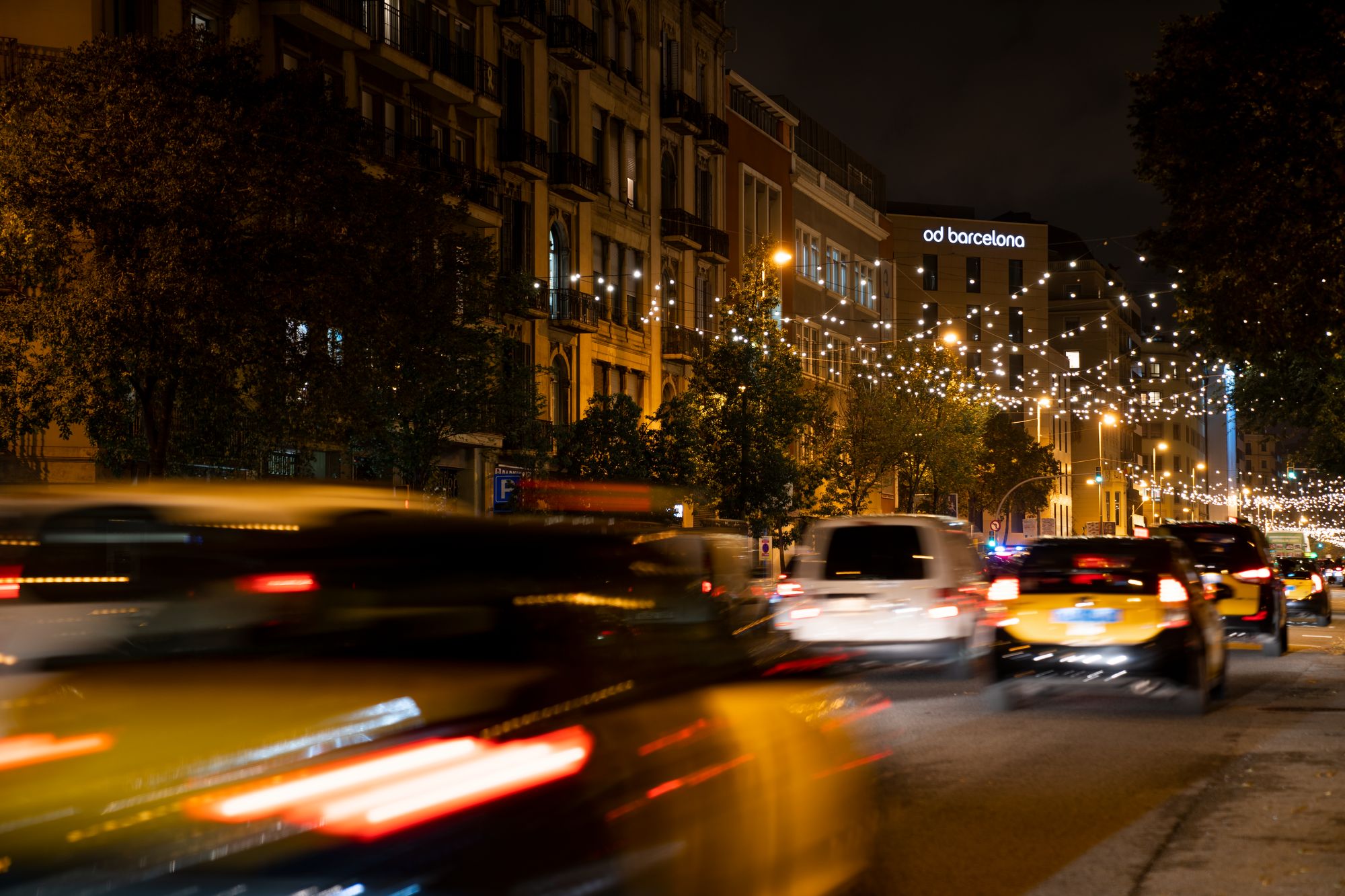
According to municipal data, 85% of the noise generated in Barcelona comes from mobility. In response, an international call was launched last February with the goal of reducing noise pollution. The winning projects of this challenge are initiatives that gather data on mobility and traffic-related noise pollution by identifying the source of sound signals using tools such as Artificial Intelligence and Big Data.
By collecting this data, it becomes possible to identify the areas with the highest levels of noise pollution or determine which types of vehicles are the loudest, among other insights. This will enable the implementation of targeted measures to mitigate the problem.
The challenge, open to companies, startups, universities, research institutions, technology centres, associations, and foundations, received around twenty applications, the majority of which (14) came from international participants.
Sensors, Cameras, and AI
The first winning project comes from the Dutch company Sorama BV and aims to reduce urban noise pollution through integrated solutions —specifically, its Loud Vehicle Detection system uses acoustic cameras and artificial intelligence to detect, locate, and identify vehicles that exceed established noise thresholds. The system collects real-time data and displays it on LED panels to encourage behavioural change.
Traffic-Noise, developed by Spanish companies Bettair and Trafficnow, is the second system selected for the pilot tests. It offers an integrated platform that analyses and correlates urban noise and traffic in real time, combining high-precision acoustic sensors, advanced computer vision systems, and predictive algorithms powered by Artificial Intelligence The solution identifies noise sources, anticipates critical events, and supports the evaluation of sustainable mobility policies to improve urban planning.
The pilot tests are scheduled to begin in the fourth quarter of 2025 and will run for an estimated 18 months. Each project will receive €100,000 in funding, covering approximately 70% of the total cost.
Furthermore, the two winning projects will gain international exposure by participating in the upcoming edition of Tomorrow.Mobility, which will take place in November alongside the Smart City Expo World Congress —the world’s leading event on smart cities— at Fira de Barcelona’s Gran Via venue.
Barcelona Innova Mobility Lab
This project is part of the Barcelona Innova LAB Mobility initiative, promoted by the City Council through the Mobility Department, BIT Habitat, and Fira de Barcelona. The initiative aims to promote and facilitate the implementation of pilot tests in the field of smart and sustainable urban mobility, with the goal of diversifying the city’s economy and positioning Barcelona as the mobility innovation capital of Southern Europe. In this case, the Environmental Quality department of the city was involved in both defining the challenge and evaluating the proposals.
This is the fourth mobility challenge developed under this program, adding to previous pilot tests focused on improving motorcycle traffic safety, optimizing bus lane circulation and stop information, and the call for initiatives on urban freight distribution, the results of which will be announced this coming autumn.
Barcelona, July 2025